Why Menopause Causes Belly Fat: The Science of Oestrogen, Cortisol, and Midlife Weight Gain
Midlife. A time of change, of wisdom, and sometimes, of frustration. As we navigate the terrain of menopause and perimenopause, it's not unusual to see our bodies shift and our priorities change. This era, often marked by the peri-menopause slow departure of our periods, can be a time of great introspection and a perfect opportunity to refocus on what truly matters: our health and wellbeing.

It's natural to put ourselves last. We're often managing careers, aging parents, perhaps even teenage children, all while dealing with the physical and emotional changes that midlife brings. But the truth is, investing in your health and wellbeing now is an investment in your future. It's about more than just fitting into a certain size or having a glow. It's about vitality, resilience, and having the energy to live your best life, for decades to come and make it count.
This period of life presents a unique set of challenges, particularly when it comes to maintaining a healthy weight. It’s common to feel like your body is playing by a new set of rules you never agreed to. If you’ve noticed your priorities shifting or your energy flagging, you aren't alone. Many women notice that despite maintaining similar diet and exercise habits, they begin to carry more weight around their midsection. This isn't your imagination, and it's certainly not your fault. It's driven by a powerful interplay of hormones and stress.
The Menopause Belly: Hormones and Cortisol at Play
As we approach and move through menopause, our levels of oestrogen decline significantly. Oestrogen plays a role in body fat distribution, traditionally encouraging it to settle on our hips and thighs. When oestrogen drops, the body begins to store more fat in the abdominal area. This visceral adipose tissue (body fat) isn't just a cosmetic concern; it's metabolically active and can contribute to inflammation, heart disease, and insulin resistance (Davis et al., 2012; Lizcano & Guzmán, 2014).
Visceral fat is considered a metabolically active endocrine organ rather than a simple storage site (Fenton, 2021; Steiner & Berry, 2022). It secretes pro-inflammatory cytokines and adipokines that directly contribute to systemic inflammation, insulin resistance, and an elevated risk of cardiovascular disease (Kodoth et al., 2022; Lee et al., 2009; Palacios et al., 2024).
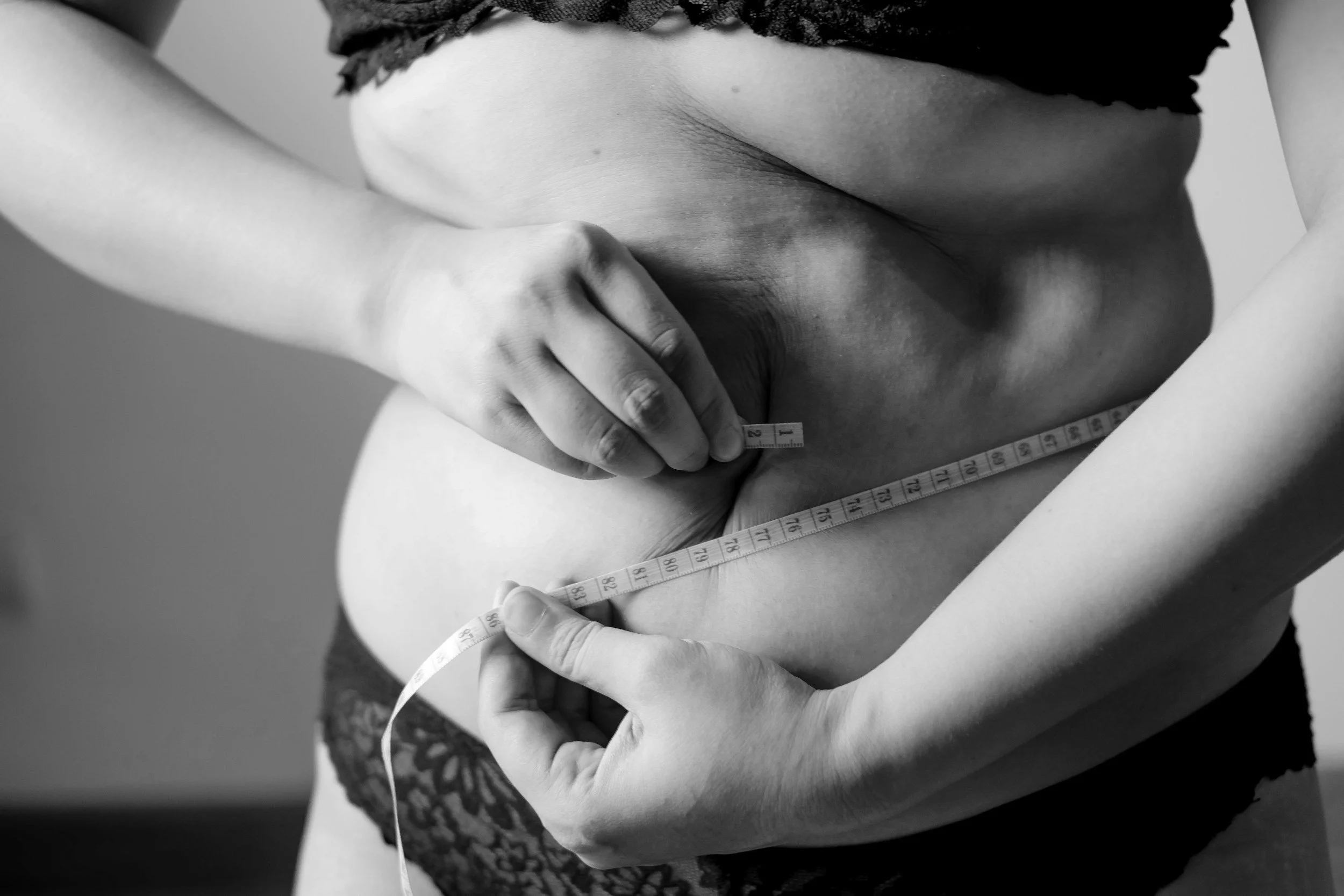
Adding fuel to the fire is cortisol, the body's primary stress hormone. Midlife can be a particularly stressful period, and chronically elevated cortisol levels can further promote abdominal fat storage and cause cravings for sugary, comforting foods.
This can feel like a losing battle, but the good news is, we are not powerless. It’s not about fighting your body, but rather working with it to find a new balance.
Taming the Mid-Belly: A Gentle Approach
Here are some gentle yet effective steps you can take to manage your midlife health and begin addressing that stubborn belly fat:
1. Embrace a Whole Foods, Anti-Inflammatory Way of Eating
Lower the inflammation: focus on nourishing your body with nutrient-dense, whole foods. Think of loading your plate with colourful vegetables, fruits, lean protein (like fish, chicken, and beans), and healthy fats (like avocados, nuts, and olive oil). This type of eating plan can help to reduce inflammation, balance blood sugar, and support hormonal health. Minimizing processed foods, sugary drinks, and refined carbohydrates can make a real difference. It’s not about strict deprivation, but about finding a way of eating that makes you feel energized and well (Palacios et al., 2024).
2. Incorporate Stress Management Techniques
Since cortisol is a major player in midlife belly fat, managing stress is crucial. Find what works for you – perhaps it's a 10-minute daily meditation, a walk in nature, gentle yoga, or a deep breathing practice. Even small, regular interventions can help lower cortisol levels and calm the nervous system. Remember, a less stressed mind can lead to a less stressed body.
3. Discover Joyful Movement
Instead of focusing on gruelling workouts that exhaust you, find ways to move your body that feel sustainable and enjoyable. Walking is a fantastic, low-impact form of exercise that can reduce stress and burn calories. Strength training becomes increasingly important as we age to build and maintain muscle mass, which boosts our metabolism (Fenton, 2021). This could be lifting weights, doing bodyweight exercises, or even practicing yoga. The key is to find movement that makes you feel strong and powerful, not depleted
Taking the Next Step: Let’s Reclaim Your Health, Together
This is not a journey you need to walk alone. Midlife is a complex time, and a personalised approach is often key. As a Certified Health and Wellbeing Coach, with a strong background in Healthcare, Mental Health and Psychology, I specialise in supporting women through the transitions of perimenopause, menopause and post-menopause. I am post-menopausal myself, so I understand the unique psychological, emotional, physical and hormonal challenges you're facing, and I can help you develop a tailored nutrition, wellbeing and lifestyle plan that is practical, sustainable, and most importantly, effective for your unique mind and body.
Ready to understand your body better, gain clarity, and find a path forward that feels empowering? Let’s work together to create a customised holistic wellness plan that addresses your concerns, helps you manage that midlife shift, and supports your long-term vitality.
Click below to book your initial free consultation with me today. Let's make this next chapter your happiest, healthiest and most vibrant yet.
With warmth and care, Katherine Gray Certified Health & Wellbeing Coach, PGCE Psychology Lecturer and Post-Menopausal mum of two.
References
Davis, S. R., Castelo-Branco, C., Chedraui, P., Lumsden, M. A., Nappi, R. E., Shah, D., & Villaseca, P. (2012). Understanding weight gain at menopause. Climacteric, 15(5), 419–429. https://doi.org/10.3109/13697137.2012.707385 Cited by: 963
Fenton, A. (2021). Weight, shape, and body composition changes at menopause. Journal of Mid-life Health, 12(3), 187–192. https://doi.org/10.4103/jmh.jmh_123_21 Cited by: 135
Kodoth, V., Scaccia, S., & Aggarwal, B. (2022). Adverse changes in body composition during the menopausal transition and relation to cardiovascular risk: A contemporary review. Women's Health Reports, 3(1), 573–581. https://doi.org/10.1089/whr.2021.0119 Cited by: 124
Lee, C. G., Carr, M. C., Murdoch, S. J., Mitchell, E., Woods, N. F., Wener, M. H., Chandler, W. L., Boyko, E. J., & Brunzell, J. D. (2009). Adipokines, inflammation, and visceral adiposity across the menopausal transition: A prospective study. The Journal of Clinical Endocrinology & Metabolism, 94(4), 1104–1110. https://doi.org/10.1210/jc.2008-0701 Cited by: 385
Lizcano, F., & Guzmán, G. (2014). Estrogen deficiency and the origin of obesity during menopause. BioMed Research International, 2014, 1–11. https://doi.org/10.1155/2014/757461 Cited by: 811
Palacios, S., Chedraui, P., Sánchez-Borrego, R., Coronado, P., & Nappi, R. E. (2024). Obesity and menopause. Gynecological Endocrinology, 40(1). https://doi.org/10.1080/09513590.2024.2312885 Cited by: 66
Steiner, B. M., & Berry, D. C. (2022). The regulation of adipose tissue health by estrogens. Frontiers in Endocrinology, 13. https://doi.org/10.3389/fendo.2022.889923 Cited by: 163
